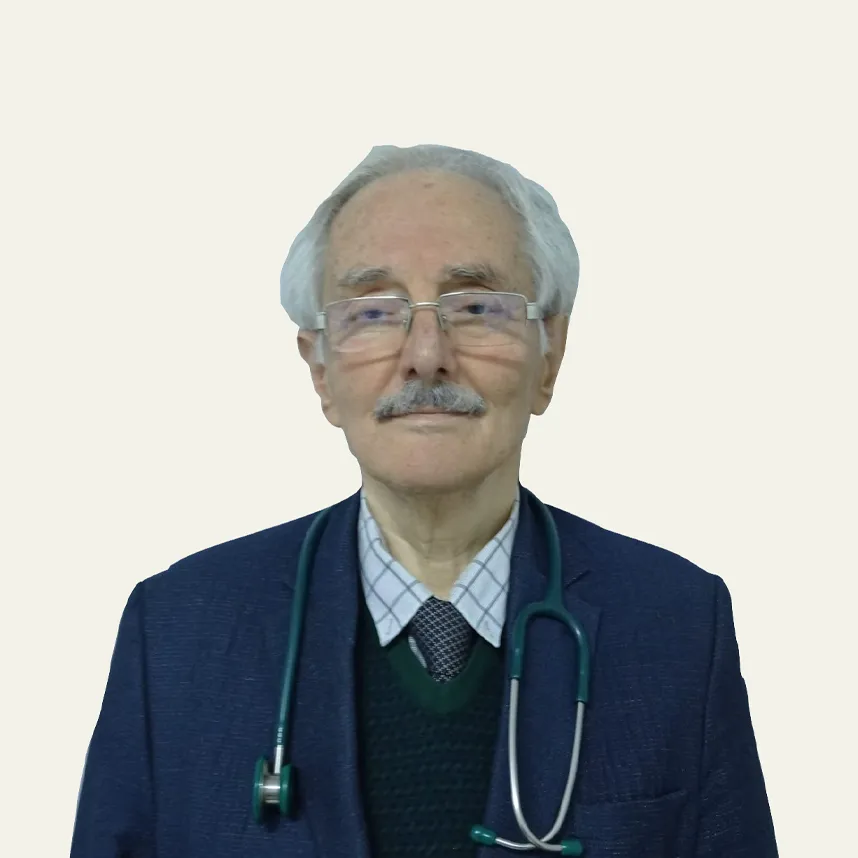
The specialty of internal medicine encompasses a wide range of conditions affecting the body’s internal organs. It is concerned with internal diseases such as the heart, lungs, liver and gastrointestinal system, kidneys and urinary tract, brain, spine, nerves, muscles, and joints. While some diseases specifically affect specific organs, the majority of common diseases, such as arteriosclerosis, diabetes, high blood pressure, and cancer, can affect many internal organs. Internists must be trained to recognize and manage a wide range of diseases and the aging population, as well as the many patients with chronic and multiple conditions.
A specialist in internal medicine – an internist – most commonly practices in hospitals, where he or she may care for patients during an acute illness or oversee their care in inpatient clinics.
University departments responsible for medical school teaching are typically overseen by a professor of internal medicine, who maintains the right balance between the different medical subspecialties that comprise the student’s education. These departments also require training for a postgraduate qualification in internal medicine as a specialty, a process that takes five years in many European countries and, in most cases, requires a qualifying examination.
Our clinic operates internationally with expert doctors in its field. You can benefit from all kinds of examinations, diagnoses, and procedures with peace of mind.